Super 8 Film: What It Is, How It Compares To Other Film, and Where to Buy
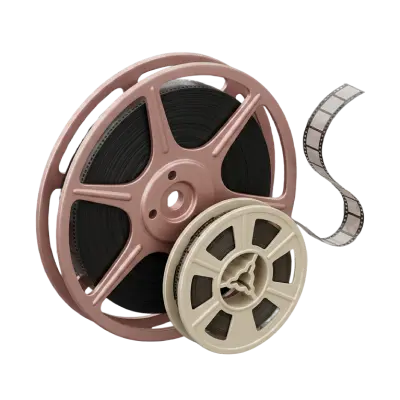
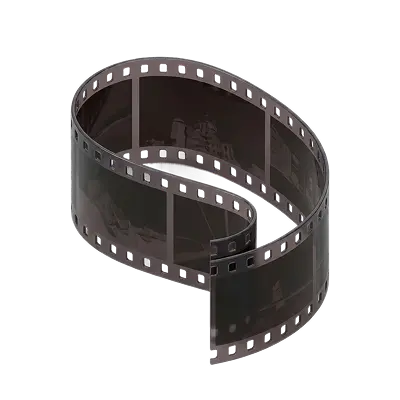
Super 8 film is a motion-picture film format Kodak introduced in 1965. It uses 8mm-wide film loaded in an easy, daylight-loading cartridge, with smaller sprocket holes than regular 8mm that leave room for a larger image — and therefore a sharper picture. Super 8 became the most popular home-movie format from the late 1960s through the early 1980s, and Kodak still manufactures it today.

If you've found old Super 8 reels in a closet — or you're a filmmaker drawn to that unmistakable analog look — this guide covers what Super 8 film is, how the cartridge works, how it compares to 8mm and 16mm, the cameras that shoot it, where to buy it, and how to preserve and digitize it before it fades.
History of Super 8 film
Eastman Kodak released Super 8 in 1965 as an upgrade to standard 8mm ("Double 8") film, which itself had been a more affordable alternative to 16mm. Super 8 uses the same 8mm-wide film stock, but its perforations are smaller and repositioned, which enlarges each frame by roughly 50% and produces a noticeably better image.
What really drove Super 8's popularity, though, was convenience. Earlier formats required threading film onto reels in the dark; Super 8 arrived in a sealed, drop-in cartridge you could load in daylight in seconds. That ease of use made home movies mainstream through the 1970s, until camcorders and videotape gradually replaced film in the 1980s.
The Super 8 cartridge and how it works
The Super 8 cartridge is a sealed plastic case that holds a 50-foot (15-meter) roll of film — about 3 minutes of footage at the standard 18 frames per second, or roughly 2.5 minutes at 24 fps. You simply drop the cartridge into the camera and start shooting; there's no manual threading.
Cartridges also carry a notch that tells the camera the film's speed (ISO), so exposure is set automatically. Some Super 8 stocks were "sound" cartridges with a thin magnetic stripe along the edge for recording audio, while "silent" cartridges recorded picture only — a distinction worth noting when you dig out old reels.
Super 8 film types
Super 8 is photographic film, not tape, and it comes in a few different stocks:
Color negative — Kodak's Vision3 stocks (50D, 200T, 500T) are the modern standard for filmmakers, with wide exposure latitude and a cinematic look.
Color reversal — Ektachrome 100D produces a vivid, positive image that can be projected directly.
Black and white — Tri-X reversal remains a classic for its grain and contrast.
Reversal film gives you a projectable positive right away, while negative film is scanned and color-graded — the route most people take today when digitizing.
Super 8 vs. 8mm vs. 16mm
All three are 8mm- or 16mm-wide film formats, but they differ in quality and use. Compared to regular 8mm, Super 8 has smaller perforations and a larger frame, so it captures more detail — and its cartridge is far easier to load than 8mm's reel-to-reel threading. If you're unsure what you have, our breakdown of the difference between 8mm and Super 8 explains how to tell them apart.
16mm film is twice as wide and delivers higher resolution than either 8mm format, which is why it was favored for professional and broadcast work. Super 8 sits in the sweet spot for home movies: affordable, portable, and good enough to capture decades of family memories.
Super 8 cameras and equipment
Millions of vintage Super 8 cameras were made by brands like Canon, Nikon, Bauer, Nizo, and Beaulieu, and many still work today — a used Super 8 camera is the most affordable way to start shooting film.
If you want something new, Kodak released its long-awaited Super 8 Camera, a modern take on the classic film movie camera with a digital viewfinder — though at an MSRP around $5,495, it's aimed at dedicated enthusiasts. Beyond the camera, you'll also want a projector or scanner to view footage, and splicing tools for editing.
Is Super 8 film still made, and where to buy it?
Yes — Super 8 is still manufactured. Kodak continues to produce Vision3 color negative, Ektachrome 100D color reversal, and Tri-X black-and-white stocks, and new cartridges are readily available. A 50-foot cartridge typically runs about $32 (around $43 for Ektachrome), and many Kodak cartridges include processing.
You can buy Super 8 film from specialty retailers like B&H Photo and Pro8mm, directly from Kodak, and at some camera shops. Online sellers are usually the cheapest and most reliable source, since general drugstores rarely stock it anymore.
How to preserve and digitize Super 8 film
Stored well, Super 8 can last up to 70 years — but heat, humidity, and light steadily degrade it, and once the emulsion is damaged, those memories are gone. Digitizing is the only way to preserve the footage permanently and make it easy to watch and share.
You can do it yourself with a film scanner like the Kodak REELS digitizer (around $400), which captures reels frame by frame to a memory card. It works, but it's slow and the quality trails professional equipment.
The alternative is a professional film digitization service, which uses a gate scanner to hold each frame perfectly still and capture it with a high-resolution sensor — no jitter, flicker, or hot spots. Capture transfers 8mm, Super 8, and 16mm film at up to 4K, with complimentary cleaning, splicing, and scratch reduction, starting at $19.99 per 4-inch reel.
For most families, that's the easiest way to convert Super 8 film to digital: mail in your reels and get back high-resolution files with your originals, typically in 2–3 weeks.
Super 8 film FAQs
What is Super 8 film?
Super 8 is an 8mm motion-picture film format Kodak introduced in 1965. It loads in a simple daylight cartridge and, thanks to smaller sprocket holes than regular 8mm, records a larger frame with better image quality. It was the leading home-movie format from the late 1960s into the 1980s.
Is Super 8 film still made?
Yes. Kodak still manufactures Super 8 in color negative (Vision3), color reversal (Ektachrome 100D), and black-and-white (Tri-X). Kodak has also released a new Super 8 camera (around $5,495), and cartridges are sold through B&H, Pro8mm, and Kodak.
What's the difference between Super 8 and regular 8mm film?
Both use 8mm-wide film, but Super 8 has smaller, repositioned perforations that make the image area about 50% larger, so it looks sharper. Super 8 also loads in a drop-in cartridge, while regular 8mm must be threaded onto reels manually.
How long is one Super 8 cartridge?
A standard 50-foot Super 8 cartridge holds about 3 minutes of footage at 18 frames per second, or roughly 2.5 minutes at 24 fps.
How do I watch or digitize old Super 8 film?
You can watch it on a Super 8 projector, or digitize it with a home film scanner (like the ~$400 Kodak REELS) or a professional service. A professional 4K transfer delivers the best quality and requires no equipment on your end.
Keep your Super 8 memories for the next generation
Super 8 captured decades of birthdays, holidays, and everyday moments — but film doesn't last forever. Whether you shoot new Super 8 or you're rediscovering old reels, digitizing is how you preserve those family memories for good.
Capture transfers your Super 8 to crisp digital files at up to 4K, so the footage is safe to watch and share for generations to come.
Bring your memories back to life.
You May Also Like

How to Scan Film Negatives: The Complete Guide (DIY vs. Professional)
The best way to scan film negatives depends on your collection, budget, and the quality you want. Compare DIY methods with professional scanning, learn which option works best for 35mm, 110, APS, and medium format film, and see when Capture provides the best results.

Why Is My Old Film Pink? Causes, Restoration, and Preservation Tips
Old film turns pink or magenta because color film contains three dye layers — cyan, magenta, and yellow — and the cyan and yellow layers break down much faster than the magenta layer. As those two dyes fade, magenta becomes dominant, giving the footage its characteristic pink or red cast. This is called color dye fading, particularly Eastmancolor stocks manufactured before Kodak introduced low-fade film stocks in the early 1980s.. The effect is permanent and progressive, but much of the original color can still be recovered digitally if the film is scanned before fading becomes too severe.

How to View 8mm Film Without a Projector
The most reliable way to view 8mm film without a projector is professional digitization, which converts each frame into a digital file watchable on any device. Smartphone apps and DIY lightbox setups exist but cannot replicate motion or deliver consistent results. Professional scanning is the only method that produces watchable footage.