What was popular in the 1960s
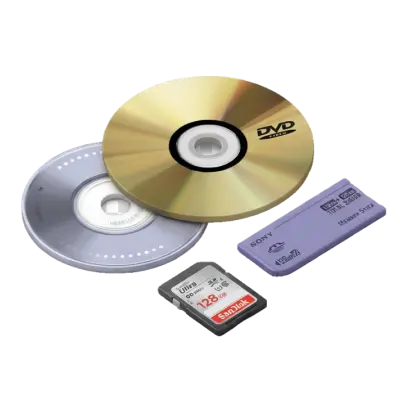
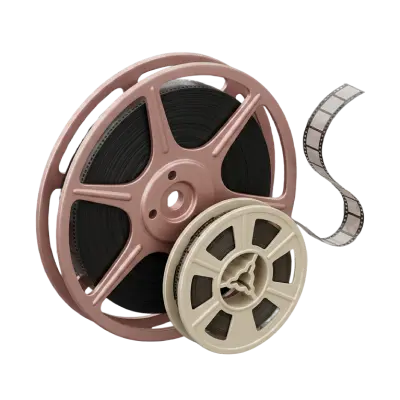
The 1960s were defined by cultural upheaval and creative explosion across music, fashion, and technology. The Beatles dominated radio, miniskirts and mod fashion transformed clothing, and the Space Race captivated the world. At home, families documented the decade on Super 8 film cameras, creating the home movie collections that are now among the most treasured and frequently digitized recordings from that era.

The 1960s were a decade of bold change, creativity, and optimism. What was popular in the 1960s reflected a world opening up through music, fashion, and everyday life. From colorful styles to new sounds and new ideas, this era reshaped how people expressed themselves. Many families still look back fondly on these years, and companies like Capture help keep that spirit alive by preserving the media that recorded it for future generations.
Jump to:
What was the 1960s most known for?
The decade is most remembered for cultural shifts that touched nearly every part of daily life. Long-standing traditions were questioned, and new ideas spread quickly. Young people began setting trends instead of following them, especially in fashion and music.
Art, entertainment, and personal style all moved faster and felt more personal. Television, radio, and print media helped trends travel beyond major cities and into everyday homes.
Several themes defined the era:
- A strong youth-driven culture is shaping trends
- Experimentation in art, music, and self-expression
- Social change and new attitudes toward freedom and identity
These elements shaped what became popular in the 1960s and continue to influence modern culture today.

The 1960s are best remembered for expressive art, evolving entertainment, and bold personal style.
What was cool in 1960?
“Cool” in the early 1960s was about confidence and individuality rather than luxury. Looking effortless mattered more than looking expensive. Simple outfits could feel rebellious when paired with the right attitude.
Music choices said a lot about who you were and what you believed in. Hairstyles, whether neatly styled or intentionally loose, became personal statements and social signals.
Popular looks and habits included:
- Clean-cut fashion mixed with bold accessories
- Dancing as a social centerpiece at parties and clubs
- Casual gatherings centered around records and radios
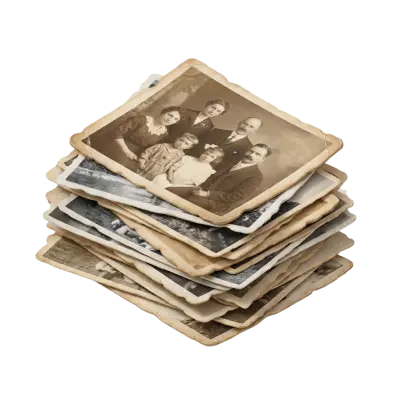
This everyday coolness is easy to spot in photos from the time, where relaxed poses replaced stiff formality.
What's the biggest hit of the 60s?
Music defined the decade more than any other art form. Songs spread quickly through radio and television, creating shared experiences across generations. A hit record could shape moods, fashion, and even language.
One movement stood above the rest. The British Invasion, led by The Beatles, changed how people listened to and talked about music. Their sound, image, and songwriting style reshaped pop culture. This influence helped make rock and pop central to youth identity and to what was popular in the 1960s.
Fashion and style
Fashion in the 1960s reflected freedom, experimentation, and the desire to break away from rigid rules. Clothing became a way to signal beliefs, moods, and identity.
Mini skirts and go-go boots
Shorter hemlines symbolized freedom and confidence. Mini skirts paired with white go-go boots became instant icons of the decade. This look felt modern and playful, especially in urban settings and dance clubs.
For many women, these styles represented independence and a break from older fashion expectations.
Bell bottoms
Bell-bottoms started small and subtle at the beginning of the decade. As the years passed, they grew wider and more expressive. They became a unisex staple worn by men and women alike.
Comfort and movement mattered as much as appearance, especially as dancing and music festivals became more popular.
Flower power and psychedelia
Bright colors and bold patterns reflected changing attitudes. Clothing often featured swirling designs, floral prints, and unexpected color combinations.
Fashion became a form of self-expression rather than conformity. Wearing bold patterns signaled openness, creativity, and individuality.
Surfer style
Inspired by coastal life, surfer style favored simplicity. Striped shirts, casual pants, and easy footwear felt relaxed and youthful.
This look showed how regional trends could go mainstream and influence everyday fashion far beyond the beach.

Mini skirts and white go-go boots were popular in the1960s.
Music and culture
Music and cultural movements were closely connected during the 1960s. Sounds, lyrics, and lifestyles often reflected broader social changes happening at the same time.
The British Invasion
Bands from the UK reshaped American pop culture. Their sound felt energetic and new. Fans followed not only their music but also their hairstyles, clothing choices, and attitudes toward fame.
Motown sound
Motown brought polished soul music to the mainstream. Artists blended emotion with rhythm in a way that appealed to wide audiences.
The result was music that crossed cultural boundaries and became a shared soundtrack for the decade.
Folk revival
Folk music grew as people searched for meaning and connection. Acoustic instruments and thoughtful lyrics fit the mood of social awareness.
Many songs addressed change, peace, and personal values, tying folk music closely to the spirit of the time.
Counterculture
The counterculture challenged traditional norms and expectations. Music festivals, communal living, and alternative lifestyles became symbols of change.
This movement helped redefine what was popular in the 1960s beyond simple trends and into a broader way of life.
Technology and trends
Everyday technology in the 1960s reflected curiosity and optimism about the future. Homes, toys, and entertainment all showed signs of innovation.
Lava lamps and black lights
Lava lamps added motion and color to living rooms. Black lights made posters glow and transformed ordinary spaces.
Home decor became playful, expressive, and slightly futuristic.
Toys and icons of play
Troll dolls and Barbie were everywhere. They reflected changing ideas about childhood, imagination, and identity.
These toys often appear in family snapshots, sitting on shelves or held proudly by children.
The moon landing in 1969
Watching the moon landing on television felt unreal. Families gathered around their TVs to witness history together.
It united people around a shared moment of progress, curiosity, and hope. Technology suddenly felt personal and emotional.
Dance crazes and the old video camera
Dance styles like “The Twist” spread quickly and brought people together. Movement became a key part of social life.
While film cameras were still common, the old video camera began to hint at how moving images would evolve in later decades.

Lava lamps became an iconic 1960s decor trend, adding colorful, hypnotic light to living rooms and bedrooms.
What stands out in the 1960s photos and home movies
Visual media from the 1960s tell a clear story about changing attitudes and lifestyles. Photos and films from the era feel more relaxed and emotionally open.
Candid moments replacing posed portraits
Smiles became more natural. People moved, danced, and laughed. Photos captured life as it happened rather than staged moments.
Stronger use of color in prints and slides
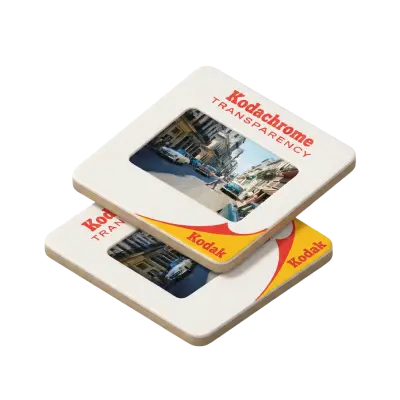
Color photography became more accessible. Reds, blues, and yellows feel vivid even today.
Converting 35mm negatives to digital helps protect those tones and preserve their original character.
Albums, reels, and shared experiences
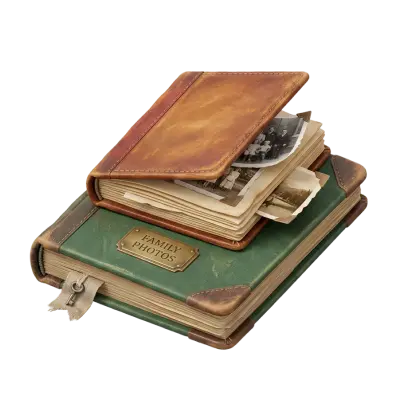
Family albums told stories across generations. Pages were flipped together during visits and holidays.
A professional photo album scanning service can preserve entire collections without damaging fragile materials.
Visual clues that date memories
Hairstyles, cars, furniture, and clothing act like timestamps. These details help connect images to specific years and shared family memories.
Why preserving 1960s media matters
Looking back, what was popular in the 1960s feels timeless because it captured real change. Fashion, music, and everyday moments reflected hope, curiosity, and individuality. Preserving photos and films from this era keeps those stories alive. When media is cared for, the spirit of what was popular in the 1960s can still be seen, shared, and appreciated today.
Bring your memories back to life.
You May Also Like

Does Walgreens Transfer VHS Tapes and Photos to Digital? What to Know Before You Decide
Yes, Walgreens transfers VHS tapes, film, photos, negatives, and slides to digital — but the work is outsourced to iMemories, not done in-store. Video converts to DVD, Blu-ray, or cloud; photos convert to USB only. Turnaround typically runs 3–5 weeks.
Forever Studios Reviews 2026: Is It Worth It? Quality, Pricing & Comparison
Yes, Forever Studios is a legitimate digitizing service. Based in Boca Raton, Florida, it specializes in transferring VHS tapes, camcorder tapes, film reels, photos, slides, negatives, and audio cassettes to digital formats. Most Forever Studios reviews praise the company's restoration quality and careful handling of sentimental media. The most common criticisms focus on quote-based pricing, longer-than-expected turnaround for some orders, and uncertainty over whether the Forever Gold upgrade delivers enough additional value. If preserving aging videotapes is your priority, Capture's VHS to Digital service includes published pricing, AI-enhanced restoration, and predictable turnaround times, making it easier to compare before placing an order.