Slide Film 101: What it is, how it works, and its functionality
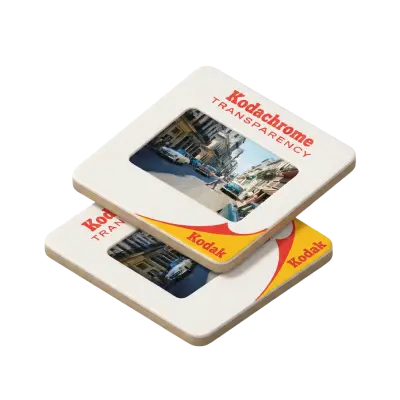
Slide film, also called reversal or transparency film, develops directly into a positive image — no negative required. It's the same film often called "diapositive" film outside the US, and it's what typically fills those small cardboard or plastic slide mounts found in old photo boxes or projector carousels.

Slide film brings your memories to life in full color - no inversion, no guesswork. Unlike negatives, it produces a positive image that you can project, scan, and enjoy just as it is. That’s why it remains a favorite among photographers and memory-keepers alike. Blending the beauty of analog photography with the convenience of digital sharing, slide film offers vivid, tangible results you can display or preserve for years to come. In this guide, Capture will explain what slide film is, how it works, and why it still matters. From shooting and developing to mounting and archiving, you’ll learn everything you need to make the most of this timeless format.
What Is Slide Film and How Is It Different from Regular Film?
Slide film, also called color reversal film, produces a positive image that looks just like what you saw in the viewfinder. That’s what sets it apart from regular color negative film, which creates inverted colors that need to be corrected during printing or scanning.
Slide film is also known as transparency film because it can be viewed directly through a projector or light table. Unlike negatives, there's no need to interpret reversed colors - what you see is what you get.
Slide film is also commonly referred to as E-6 film because the development process requires 6 baths, including the developer, stop, and fixer.
Color negatives, on the other hand, are referred to as C-41 and use a chromogenic color print film development process. All reversal film in the modern world uses the E-6 process, which is not the same as the process used by Kodak Kodachrome.
Popular slide film options available in 2025 include:
Fujifilm Velvia 50 and 100 – known for vibrant saturation and contrast
Fujifilm Provia 100F – great for natural colors and detail
Kodak Ektachrome 100 – loved for fine grain and accurate tones
Select options from Polaroid and Ilford
Some professional labs can even create physical slides from digital images like JPEGs, though original slide film still delivers unmatched depth and color.
Found Old Slides? How to Tell What You Have
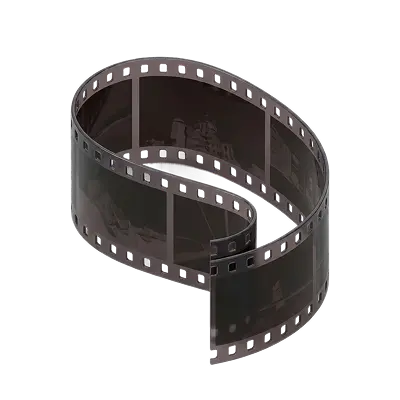
If you've come across a box of small cardboard or plastic mounts — often 2x2 inches — holding a single frame of film each, you're likely looking at slide film. Hold one up to a light source: if you can see a full-color, right-side-up image (not an inverted, orange-tinted strip like a negative), it's a slide. These were commonly viewed with a slide projector or handheld viewer, and many households have a box or carousel of them tucked away from decades of family photos, vacations, or home projects.
Unlike negatives, slides don't need to be interpreted or color-corrected to see the image, which also makes slides easier to digitize with excellent color accuracy, since what you see is exactly what gets captured.
What Is Slide Film (Reversal Film) Made Of?
Slide film is carefully engineered to capture accurate, vivid color using multiple light-sensitive layers. Here's what goes into its composition:
Emulsion layers – These are sensitive to different wavelengths of light (red, green, and blue). Dye couplers react during development to form a visible, full-color image.
Protective coating – Shields the emulsion from scratches and damage.
Base layer – Historically made of glass, now replaced by polyester or other stable synthetics for durability and flexibility.
Anti-halation backing – Prevents unwanted light reflection within the film roll, improving clarity and sharpness.
Unlike negative film, which relies on silver halide crystals and creates an inverted image, slide film produces a final image directly on the emulsion. This makes it ideal for direct viewing with a slide projector or archival storage.
What Is the Process of Shooting and Developing Slide Film?
Slide film is known for its stunning results - but also for being less forgiving than other film types. It has a narrow dynamic range (typically around 1.5 stops) and very little exposure latitude, which means accurate exposure settings are crucial.
To get the best results:
Use a light meter or camera with built-in metering to avoid blown-out highlights or underexposed shadows
Err slightly on the side of underexposure rather than overexposure
Practice in various lighting conditions before shooting important events
When exposed correctly, slide film produces:
Vivid, saturated colors
Fine grain and sharp resolution
Natural contrast and depth, especially with ISO 50–100 stock
How Is Slide Film Developed and Mounted?
After shooting, slide film must be developed using the E-6 process, which involves six chemical baths:
First Developer
Reversal Bath
Color Developer
Pre-bleach
Bleach
Fixer
This process reveals the positive image directly on the film, unlike the C-41 process used for color negatives.
Once developed, the film can be:
Scanned into digital format for storage or sharing
Mounted into individual plastic or cardboard frames for slide projection
Slide mounting is done by cutting the film into individual frames and placing each into a holder. These can then be loaded into a slide projector for large-scale viewing, making it one of the most nostalgic and tangible ways to relive memories.
Reversal Film, Transparency Film, Slide Film: Pros and Cons
Slide film stands out for its vibrant colors and high-resolution results, making it a favorite among enthusiasts and professionals alike. But like any medium, it comes with both benefits and challenges.
Advantages of slide film:
Produces rich, vivid colors and high contrast images
Offers sharper detail and finer grain than many color negative films
Often retains color and quality even after decades
Available in multiple formats, including 35mm, 120 (medium format), and 8mm
Perfect for creating projected slides or high-quality scans
Challenges of using slide film:
Requires precise exposure settings due to narrow dynamic range
Can be more expensive to purchase and develop
Less forgiving than negative film - mistakes are harder to recover
May not be as easy to find at local stores compared to C-41 films
Slide film can deliver incredible results, but it’s often better suited for photographers who are ready to invest time into learning proper metering and exposure techniques.
What Can You Do with Slide Film Today?
There are lots of reasons to choose slide film, and historically, the positive image has been useful in photography and art. That’s because the positive image could be used to tell stories, and the flexibility of including both color and black and white film of different sizes and types gave artists much more to work with.
Popular uses of slide film include:
Storytelling and presentation: Used in slide projectors for family vacations, lectures, and classroom materials.
Art and design: Repurposed into lampshades, jewelry, window art, photo collages, and other crafts that display the actual image (not a negative).
High-quality scans: Since the image is already developed and visible, slides can be scanned with excellent clarity and color fidelity.
Nostalgia and preservation: Many people still have old slide carousels and enjoy revisiting them as tangible memories.
While digital cameras have all but replaced film cameras, there are some things only color transparency film can offer. Slide film can often capture subtle details and contrasting colors better than modern digital cameras.
A digital camera that captures ultra-high resolution will also cost significantly more than a camera and some slide film.
Is Slide Film Worth Using Today?
If you’re drawn to vibrant colors, sharp detail, and the nostalgic charm of analog photography, slide film is absolutely worth trying. It offers a unique shooting experience and results that stand out, especially when properly exposed and developed.
Just remember: slide film requires precise exposure to get the best outcome. But when done right, it delivers stunning images you can project, scan, and preserve for generations.
And while slide film is more durable than negative film, it's still important to preserve it in digital format to protect against fading, water damage, and other problems. Capture's slide and negative scanning turns both into high-quality digital copies, whether you have a handful of slides or a full carousel.
Bring your memories back to life.
You May Also Like

Choose the Best Carousel Slide Projector Still Available in 2026
A carousel slide projector displays 35mm (and other 2″×2″) slides from a circular tray, rotating each one into place and projecting it onto a screen. For most people the best option is a Kodak Carousel — like the 5600 — for its reliability and image quality, though Vivitar, Leitz, Sawyer's, and GAF models are also solid choices. Since they're no longer manufactured, you'll be buying used, typically for $50–$400 on eBay or from specialty sellers.

Best Slide Viewers for Old 35mm Slides
A slide viewer is a small device used to look at photographic slides without a projector. It typically includes a backlight and magnifying lens that allows a single slide to be viewed clearly, making it useful for sorting, organizing, or previewing slide collections.

Where to Convert Slides to Digital Near Me
To find local slide digitization, search for camera shops or photo labs in your area. Capture offers slide scanning with local drop-off in Atlanta and cloud delivery. For those outside major metro areas, mail-in services like ScanCafe and Legacybox accept slide carousels and loose slides with prepaid shipping.