VHS vs DVD
DVD offered sharper picture quality, chapter navigation, and no rewinding compared to VHS, but VHS allowed home recording while early DVDs did not. DVD players reached mass market pricing by the early 2000s, and DVD sales surpassed VHS in 2003. For personal home movies recorded on VHS, digitization remains the only way to transfer that footage since DVD never supported direct VHS recording conversion.

Remember the days when you had to ask your siblings to stop chewing on the remote while you desperately fast-forwarded to your favorite scene? Or the times you popped open a glossy DVD case and felt like you’d stepped into the future? That’s the magic of VHS vs DVD—two colossal formats that ruled our home entertainment world at different times. One came in chunky plastic cassettes, the other arrived as shiny discs that promised crisp visuals and bonus features galore. But how did they evolve? Why did one ultimately outshine the other? And are they still worth saving in our streaming-obsessed era? Capture is here to let you know the story behind these iconic media giants—and why their influence continues to shape how we watch, collect, and cherish our favorite flicks.
Jump to:
A Quick Trip Back in Time
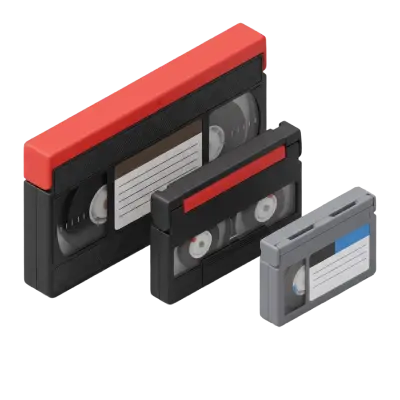
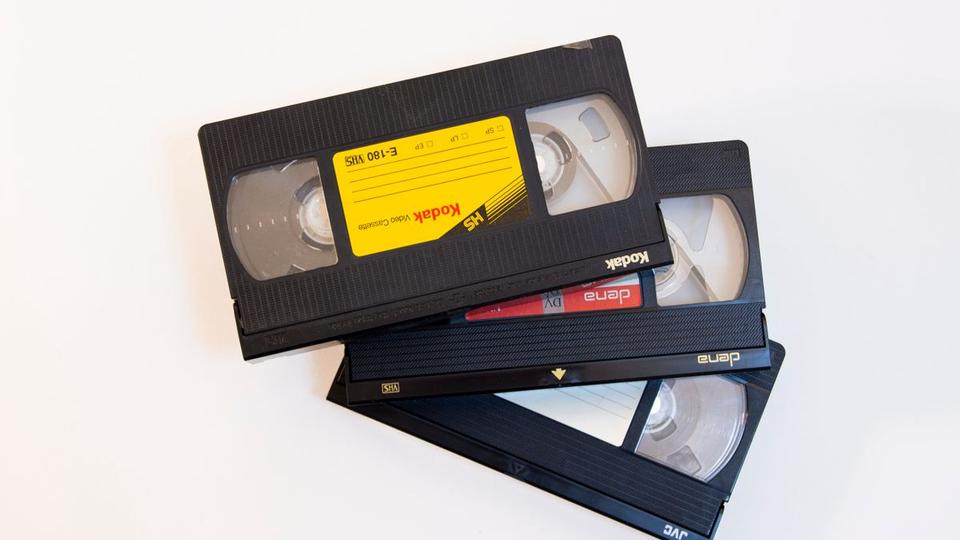
VHS (Video Home System) showed up in the 1970s with a pretty big promise: “Hey, you can record your favorite TV shows and watch them later—no schedule constraints required!” Households were captivated. Suddenly, everyone could catch their favorite sitcom or action flick at any hour without needing a fancy film projector.
The local video rental store became a go-to weekend hangout spot, and folks built massive libraries of their most-loved movies. Yes, VHS video resolution wasn’t mind-blowing—colors could bleed, images looked soft—but who cared when you had magical control over what and when you watched?

When Did DVD Replace VHS?
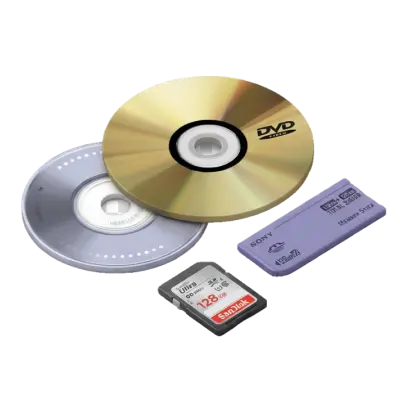
Then DVD (Digital Versatile Disc) swept onto the scene in the mid-1990s, looking sleek and futuristic compared to bulky tapes. It offered more storage space, user-friendly menus, and that sweet, shiny surface that basically screamed “I’m the future!” Some skeptics wondered if we really needed another format. But once you saw a DVD’s sharper picture and heard its crisp audio, there was no turning back. And with big retailers dedicating entire aisles to DVDs, it felt like the dawn of a new entertainment era.
When Did DVD Replace VHS and When Did DVDs Become Popular?
If you’re asking, “When did DVD replace VHS?” there’s no single day we can circle on the calendar. It happened gradually in the late 1990s and early 2000s. Big-name studios started putting more effort into DVD releases, retailers gave DVDs prime shelf space, and production of VHS cassettes slowed. Consumers who got a taste of DVD’s menu navigation and improved visuals never looked back.
Which begs another question: “When did DVDs become popular?” Again, the late ‘90s to early 2000s is the sweet spot. Prices for DVD players started dropping, so more folks could afford them. Blockbuster hits began rolling out special disc editions loaded with never-before-seen extras. The idea of accessing behind-the-scenes footage or alternate endings right at home felt unbelievably cool. DVDs became the “it” item for home media, and VHS gradually faded into the background.

VHS vs DVD Comparison: The Tech Rundown
Let’s zoom in on the VHS vs DVD comparison from a technical standpoint. Sure, tape hiss and disc scratches can both be annoying, but there’s more going on under the hood:
| Feature | VHS | DVD |
|---|---|---|
| Release Year | 1976 | 1997 |
| Video Quality | ~240 horizontal lines | 720×480 resolution |
| Audio Format | Analog mono/stereo | Digital (Dolby Digital, DTS) |
| Playback | Magnetic tape (degrades over time) | Optical disc (can scratch/crack) |
| Navigation | Fast-forward & rewind | Menus, scene selection |
| Storage Space | ~2–4 hours per tape | 4.7 GB per disc |
| Durability | Prone to stretching, mold, wear | Prone to scratches and laser rot |
| Recordable? | Yes (VHS-C, S-VHS) | Yes (DVD-R, DVD+RW) |
DVD vs VHS: The Practical Side
While DVDs introduced sleek features and modern convenience, VHS tapes offered a hands-on, personal experience that many still remember fondly.
| 📀 Why DVDs Took Over | 📼 But VHS Had Its Own Charm |
|---|---|
| ✔️ No rewinding — picked up where you left off | ✔️ Easy to record over — perfect for home videos or TV |
| ✔️ Space-saving design — slim cases, easier storage | ✔️ Built-in nostalgia — handwritten labels like “Christmas 1987” |
| ✔️ Bonus features — deleted scenes, commentary, behind-the-scenes | ✔️ More personal — captured birthdays, holidays, everyday life |
| ✔️ Scene selection — skip directly to your favorite part | ✔️ Analog warmth — a softer, nostalgic viewing feel |
Cultural Impact: DVDs and VHS
DVDs and VHS both planted big footprints in popular culture. VHS turned Friday nights into an event—people flocked to the local video store, uncertain if they’d find the movie they wanted or settle for something random. It also spawned an entire era of homemade tapes: folks recorded weddings, graduations, and even family barbecues on those hefty cassettes.
DVD introduced that same sense of discovery, but with a digital twist. Instead of crossing fingers for a tape in good condition, families popped open a disc and instantly navigated to movie trailers, behind-the-scenes segments, and more. DVD box sets soon became prized possessions—complete with collectible artwork, fancy packaging, and hours of special content. Even as streaming platforms expanded, these physical collections remained trophies of personal taste and fandom.

Preserving the Past: Why It Matters
VHS tapes and DVDs may seem ancient in a world dominated by Netflix queues and streaming marathons, but they’re packed with memories. The worn label reading “Ski Trip ‘92,” the disc of a director’s cut no one else owns—these are personal relics that deserve protection. Physical media deteriorates over time, and players become hard to find, which is where our service comes in. Capture offers a simple way to convert VHS to DVD, ensuring these cherished moments stay accessible and easy to share with future generations.
VHS vs DVD in a Streaming World
So, who wins the VHS vs DVD showdown? It’s clear DVDs took the crown in terms of picture quality, durability, and user-friendliness. Yet VHS still holds a cozy spot in our hearts. One laid the groundwork for convenient home recording, while the other introduced interactive menus and sleek, crystal-clear visuals. Even in an era flooded with streaming options, these formats remain pieces of nostalgia worth saving. Whether you keep them as collectibles, pass them down to family, or convert them for simpler playback, they remind us that entertainment has come a long way—and it all started with those chunky tapes and shiny discs we once thought were cutting-edge.
Bring your memories back to life.
You May Also Like
How AI Video Upscaling Works: De-interlacing, Noise Reduction, and Resolution Scaling Explained
AI video upscaling works in three stages: the original tape is captured using broadcast-grade equipment to extract the cleanest possible signal, encoded into a lossless ProRes master file, then processed frame-by-frame by neural networks that remove interlacing artifacts and increase the resolution to 1080p or 4K. Unlike a standard 1:1 transfer, the AI analyzes each frame individually — inferring missing detail from surrounding pixels and learned patterns — while preserving the original frame rate throughout.

Choosing the Perfect Film Video Camera: Top 10 Recommendations for Filmmakers
Film video cameras record motion by capturing a rapid sequence of still images on photographic film — typically at 24 frames per second for cinema and 16–18 fps for home formats like 8mm and Super 8. Unlike digital video, film requires chemical development before it can be viewed, and the footage degrades over time without proper cold, dry storage.

Five Super 8 Projectors That Stand the Test of Time
Super 8 projectors operate similarly to standard 8mm projectors but are not interchangeable — Super 8 film has a different sprocket hole size and frame dimension than regular 8mm. Kodak introduced Super 8 in 1965 alongside a cartridge-loading system that eliminated manual threading. Working Super 8 projectors are available used through eBay and estate sales, though lamp replacements are increasingly difficult to source.