The History of MiniDV: How It Revolutionized Video Recording
MiniDV emerged in the mid-1990s as one of the first consumer camcorder formats to record video digitally on tape. Its smaller cassette and improved image quality quickly made it popular among home video creators before newer recording technologies eventually replaced tape-based camcorders.

The late 20th century saw the evolution of video recording technology, giving birth to formats that reshaped how memories were captured and shared. Among these innovations was the MiniDV format, introduced in 1995. This revolutionary format combined high-quality digital video with compact design and affordability, making it a favorite for both amateur and professional videographers. The history of MiniDV is a fascinating tale of technological progress and its impact on accessibility for everyday users.
Jump to:
What Is MiniDV and When Was It Invented?
MiniDV is a digital video cassette format introduced in 1995 that stores high-quality video and audio on small tapes. Designed for camcorders, it became a popular choice for home users and professionals thanks to its compact size, clear image quality, and easy playback.
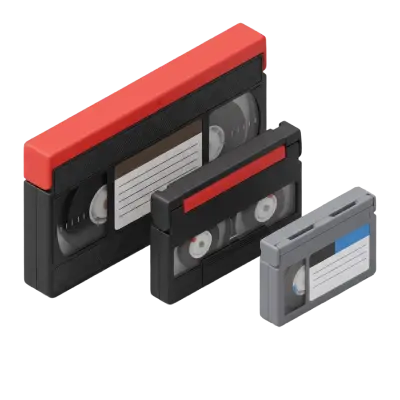
Before MiniDV, formats like VHS, VHS-C, and Hi8 were widely used. These older formats were analog, meaning they were more prone to quality loss and less efficient for editing.

Who created MiniDV?
MiniDV was developed through a collaboration between major electronics companies including Sony, Panasonic, and JVC. In the early 1990s, they created the DV standard, a digital video format that made professional-quality recording accessible in a compact and affordable design. This collaboration led to the release of the MiniDV format in 1995.
MiniDV Format Timeline
| Year | Milestone |
|---|---|
| 1994 | DV specification drafted by Sony, Panasonic, JVC, and others |
| 1995 | MiniDV recording format officially launched |
| 1996 | Compact MiniDV camcorders hit the consumer market |
| 1999–2000 | Camcorder sales boom as prices fall below $1,000 and FireWire enables home editing |
| 2003 | MiniDV tape peaks in popularity among indie filmmakers and hobbyists |
| 2005 | HDV format introduced (high-definition video using MiniDV tape) |
| 2010 | Manufacturers begin to phase out MiniDV camcorder production |
| 2015 | Archivists urge tape owners to digitize aging collections to avoid data loss |
| 2020 | Creators revisit MiniDV during lockdowns, sparking renewed interest |
Why MiniDV Was a Game-Changer
The MiniDV format introduced a new standard for clarity and convenience and quickly became the go-to choice for home users and aspiring filmmakers alike.
- Portability: MiniDV tapes were compact, allowing the MiniDV camcorder to be lightweight and easy to carry. This made it ideal for everyday use, travel, and spontaneous filming.
- High Resolution: MiniDV resolution reached 720 × 480 pixels (NTSC) or 720 × 576 pixels (PAL), delivering crisp digital video far superior to analog formats like VHS and Hi8.
- MiniDV Camera Technology: Most MiniDV cameras came equipped with FireWire (IEEE 1394), enabling direct transfers to a computer without any loss in quality; a major leap for home editing.
- Affordability: As the technology matured, MiniDV camcorders became affordable for families, students, and indie creators, helping to democratize video production.

Transition from MiniDV to Digital
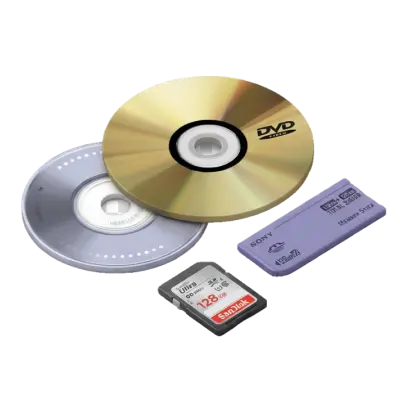
While MiniDV revolutionized video recording in the late 1990s and early 2000s, advancements in digital technology eventually rendered the format obsolete. The rise of memory cards, hard drives, and later solid-state drives offered greater storage capacity, faster transfer speeds, and higher convenience. Unlike MiniDV tapes, these newer solutions eliminated the need for mechanical playback devices, reducing wear and tear and simplifying video storage.
Digital formats like AVCHD and MP4, which were compatible with modern editing software, further accelerated the shift. High-definition video (HD) became the standard, and MiniDV, limited to standard definition in most cases, struggled to keep up with evolving consumer demands.
The transition also reflected broader changes in consumer behavior. As smartphones and compact digital cameras gained popularity, fewer people relied on dedicated camcorders to capture videos. These new technologies provided instant access to videos, making tape-based formats like MiniDV less appealing.
MiniDV vs Other Formats
MiniDV tape stood out from older and competing video formats by offering a smaller size, better image quality, and easier digital editing. Here's how MiniDV compares to VHS-C, Hi8, and Digital8:
| Format | Video Quality | Tape Size | Digital or Analog | Editing & Transfer |
|---|---|---|---|---|
| MiniDV | 720 × 480 (NTSC), sharp digital image | Small cassette (66 × 48 × 12 mm) | Digital | FireWire transfer to PC, lossless editing |
| Digital8 | Similar digital quality to MiniDV | Larger tape reused from Hi8 | Digital | USB or FireWire, some camcorder models required |
| Hi8 | Analog, better than VHS-C | Same size as Digital8 | Analog | Requires digitization to edit digitally |
| VHS-C | Lower resolution, analog | Small version of VHS tape | Analog | VCR adapter needed, analog conversion required |
Is MiniDV Still Used Today?
MiniDV is no longer part of modern video production, but it still plays an active role in media preservation and creative projects.
- Legacy playback: Many people still use MiniDV camcorders to view old home videos.
- Digitization: Tapes are often converted to digital formats to preserve aging footage.
- Collector and creative use: Some creators and collectors use MiniDV for its early digital aesthetic.
Though no longer mainstream, MiniDV remains valuable for preserving memories and creative expression.

Digitizing MiniDV Tapes Today
MiniDV tapes often hold cherished home movies, from family milestones to creative projects. As tapes age, the risk of degradation increases, making digitizing home movies an important step in preserving these memories.
Converting MiniDV to digital formats ensures that these moments are not lost to time and can be enjoyed on modern devices. Digitization also offers the convenience of easier storage, sharing, and editing, allowing memories to be passed down to future generations in a lasting format.
Preserving Memories: The Legacy of the History of MiniDV
The history of MiniDV highlights a period of innovation that changed the way we record, store, and share our memories. From its inception in 1995 to its widespread use in the early 2000s, MiniDV’s impact was undeniable. It brought high-quality video recording to the masses and helped shape modern digital recording technologies. While the format may no longer dominate the market, its influence continues to be felt. MiniDV tapes remain a treasure trove of memories for many, making digitizing companies like Capture invaluable for preserving these moments. By understanding the history of MiniDV, we appreciate the journey of video recording and the milestones that shaped it.
Bring your memories back to life.
You May Also Like
How AI Video Upscaling Works: De-interlacing, Noise Reduction, and Resolution Scaling Explained
AI video upscaling works in three stages: the original tape is captured using broadcast-grade equipment to extract the cleanest possible signal, encoded into a lossless ProRes master file, then processed frame-by-frame by neural networks that remove interlacing artifacts and increase the resolution to 1080p or 4K. Unlike a standard 1:1 transfer, the AI analyzes each frame individually — inferring missing detail from surrounding pixels and learned patterns — while preserving the original frame rate throughout.

Choosing the Perfect Film Video Camera: Top 10 Recommendations for Filmmakers
Film video cameras record motion by capturing a rapid sequence of still images on photographic film — typically at 24 frames per second for cinema and 16–18 fps for home formats like 8mm and Super 8. Unlike digital video, film requires chemical development before it can be viewed, and the footage degrades over time without proper cold, dry storage.

Five Super 8 Projectors That Stand the Test of Time
Super 8 projectors operate similarly to standard 8mm projectors but are not interchangeable — Super 8 film has a different sprocket hole size and frame dimension than regular 8mm. Kodak introduced Super 8 in 1965 alongside a cartridge-loading system that eliminated manual threading. Working Super 8 projectors are available used through eBay and estate sales, though lamp replacements are increasingly difficult to source.