The History of Digitization
Digitization — the conversion of analog information into digital data — began in research labs in the mid-20th century. Pulse-code modulation digitized sound in 1937, and in 1957 Russell Kirsch produced the first digital image. It reached consumers with the audio CD in 1982 and exploded in the 1990s with the web and affordable scanners. Today, digitization is the primary way we preserve aging photos, film, and tapes before they deteriorate.

Digitization lets photos, films, and home videos move from fragile physical formats into files that can be viewed, shared, and preserved. It feels routine now, but the process began long before digital cameras and streaming — in research settings, then archives, and eventually in homes. Understanding that history explains why careful handling still matters when preserving personal media today.
How digitization began
Digitization didn't start with family photos — its roots are in mid-20th-century research. An important early step was pulse-code modulation (PCM), invented in 1937, which converted analog sound waves into digital data by sampling them at regular intervals and encoding each sample as a number. Earlier still, Herman Hollerith's 1890s punch-card system showed how information could be encoded in a machine-readable form.
These ideas matured alongside the first digital computers of the 1950s, which gave researchers the processing power to store and manipulate information as binary data for the first time.
The first digital image
The first digital image was created in 1957 by Russell Kirsch and his team at the US National Bureau of Standards, using the SEAC computer to scan a small photo of his infant son into a grid of pixels. At just 176 × 176 pixels, it was crude — but it proved a photograph could be captured, stored, and recreated as digital data, laying the groundwork for everything from scanners to the first digital camera.
Digitization timeline
Year | Milestone |
|---|---|
1890s | Hollerith's punch cards encode data for the US census |
1937 | Pulse-code modulation (PCM) digitizes analog sound |
1957 | Russell Kirsch scans the first digital image |
1960s | Digitization advances across computing research |
1970s–80s | Scanners and personal computers spread digitization |
1982 | The audio CD brings digital media to consumers |
1990s | The web and affordable scanners drive mass adoption |
2000s | Mass digitization of books, archives, and photos |
Today | Smartphones, cloud, and AI make digitization universal |
From archives to the mainstream
For decades, digitization lived in laboratories, libraries, and government archives, where institutions scanned documents and images to preserve and share them. It moved toward everyday life with the audio CD in 1982, which put digital media in living rooms, and then accelerated in the 1990s, when the World Wide Web, affordable flatbed scanners, and early digital cameras made converting analog content practical for ordinary people.
By the 2000s, mass-digitization projects were scanning entire libraries, and digital cameras had begun replacing film — turning digitization from a specialist process into a part of daily life.
The home media digitization era
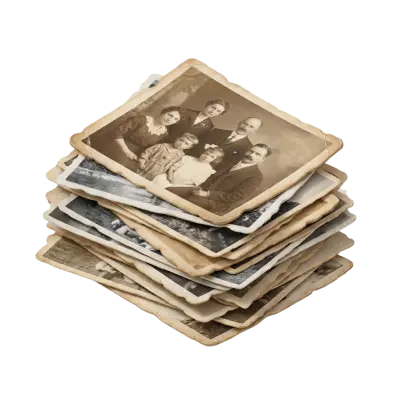
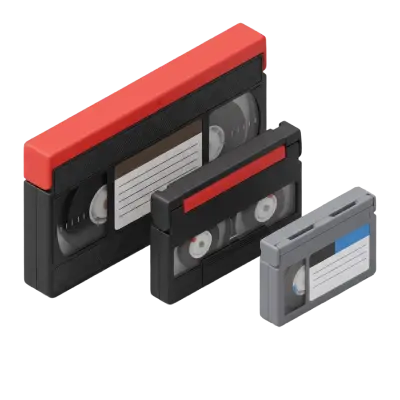
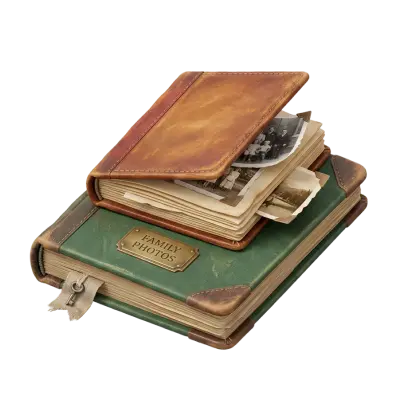
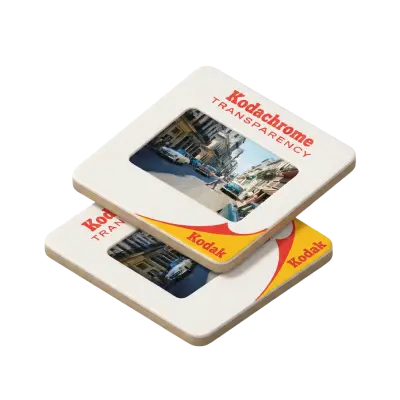
As the technology matured, attention turned to the billions of analog memories still trapped on aging media. Families realized their VHS tapes, film reels, slides, and prints were degrading, and that the equipment to play them was disappearing. That created the modern home-digitization era — and services built specifically to digitize old photos and tapes at scale.
This is where experience matters: fragile, decades-old media needs careful handling, which is why many people turn to the best companies to digitize home movies rather than risk irreplaceable originals at home.
Formats like MiniDV and Hi8 are especially time-sensitive, since the players that read them are increasingly rare.
Digitization history FAQs
What is digitization?
Digitization is the process of converting analog information — sound, images, documents, or video — into digital data that a computer can store, display, and share. It's the foundation of everything from CDs and digital photos to streaming and cloud storage.
When did digitization start?
Its technical roots go back to pulse-code modulation in 1937, and the first digital image in 1957, but digitization took off with the computers of the 1950s–60s and became mainstream for consumers with the audio CD (1982) and the web (1990s).
What was the first digital image?
In 1957, Russell Kirsch scanned a 176 × 176-pixel photo of his son using the SEAC computer — the first digital image, and a milestone that led to modern scanning and imaging.
What can be digitized?
Almost any analog format: printed photos, negatives, slides, film reels, VHS and other videotapes, audio cassettes and records, and paper documents can all be converted into digital files.
When did home media digitization become common?
It grew through the 2000s and 2010s as families rushed to rescue aging VHS tapes, film, and photos before they degraded and the playback equipment vanished — fueling today's mail-in digitization services.
From early experiments to personal memories
Digitization went from a laboratory curiosity to the everyday way we save our lives in pictures and sound. The same principle that scanned the first image in 1957 now protects your family's history — so if your photos, film, or tapes are aging, converting them to digital is the modern chapter of a story nearly a century in the making.
Bring your memories back to life.
You May Also Like

Does Walgreens Transfer VHS Tapes and Photos to Digital? What to Know Before You Decide
Yes, Walgreens transfers VHS tapes, film, photos, negatives, and slides to digital — but the work is outsourced to iMemories, not done in-store. Video converts to DVD, Blu-ray, or cloud; photos convert to USB only. Turnaround typically runs 3–5 weeks.
Forever Studios Reviews 2026: Is It Worth It? Quality, Pricing & Comparison
Yes, Forever Studios is a legitimate digitizing service. Based in Boca Raton, Florida, it specializes in transferring VHS tapes, camcorder tapes, film reels, photos, slides, negatives, and audio cassettes to digital formats. Most Forever Studios reviews praise the company's restoration quality and careful handling of sentimental media. The most common criticisms focus on quote-based pricing, longer-than-expected turnaround for some orders, and uncertainty over whether the Forever Gold upgrade delivers enough additional value. If preserving aging videotapes is your priority, Capture's VHS to Digital service includes published pricing, AI-enhanced restoration, and predictable turnaround times, making it easier to compare before placing an order.