Why Your Memories Are Fading: The Science of Tape Degradation
Magnetic tape doesn't last forever. Learn how oxide shedding, sticky-shed syndrome, and environmental factors are slowly erasing your family's most precious moments.

The Clock Is Ticking on Your Tapes
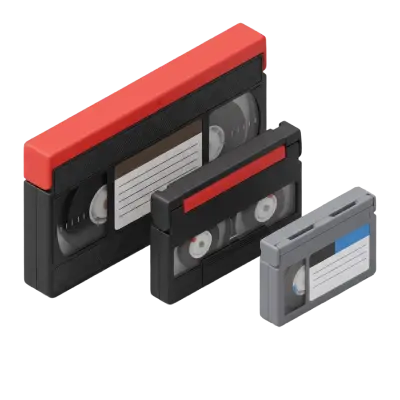
Every VHS tape, Hi8 cassette, and film reel in your closet is slowly deteriorating. It's not a question of if — it's a question of when the damage becomes irreversible.
How Magnetic Tape Degrades
Magnetic tape stores information as tiny magnetic particles bonded to a plastic base with a chemical binder. Over time, three main processes attack this structure:
1. Oxide Shedding
The magnetic oxide coating literally flakes off the base film. Each time this happens, data is permanently lost. You might notice a brownish residue inside old tape housings — that's your memories turning to dust.
2. Sticky-Shed Syndrome
The binder that holds magnetic particles to the tape absorbs moisture from the air (a process called hydrolysis). The tape becomes sticky and can jam or even break inside a player. This is especially common in tapes manufactured between 1970 and 1990.
3. Print-Through
When tape sits wound on a reel for years, the magnetic signal from one layer can "bleed" into adjacent layers, creating ghost images and echo audio.
Environmental Enemies
- Heat accelerates chemical breakdown. A garage or attic can reach 120°F in summer.
- Humidity feeds sticky-shed syndrome. Anything above 50% relative humidity is dangerous.
- UV Light weakens the plastic base film, making it brittle and prone to snapping.
The Timeline of Loss
| Age of Tape | Typical Condition |
|---|---|
| 5–10 years | Minor color shift, slight tracking issues |
| 10–20 years | Noticeable quality loss, possible dropouts |
| 20–30 years | Significant degradation, sticky-shed risk |
| 30+ years | Critical — may be unplayable without professional intervention |
What You Can Do Right Now
The single best thing you can do is digitize your tapes as soon as possible. Professional digitization captures whatever signal remains and preserves it in a format that won't degrade further.
While you wait to digitize, store your tapes:
- Vertically (like books on a shelf)
- In a climate-controlled room (65–70°F, 30–40% humidity)
- Away from speakers, motors, or anything with magnets
- In their original cases to block dust and light
Every day you wait, the quality drops a little more. The tapes from your childhood, your wedding, your kids' first steps — they're all on borrowed time.
Bring your memories back to life.
You May Also Like

Does Walgreens Transfer VHS Tapes and Photos to Digital? What to Know Before You Decide
Yes, Walgreens transfers VHS tapes, film, photos, negatives, and slides to digital — but the work is outsourced to iMemories, not done in-store. Video converts to DVD, Blu-ray, or cloud; photos convert to USB only. Turnaround typically runs 3–5 weeks.
Forever Studios Reviews 2026: Is It Worth It? Quality, Pricing & Comparison
Yes, Forever Studios is a legitimate digitizing service. Based in Boca Raton, Florida, it specializes in transferring VHS tapes, camcorder tapes, film reels, photos, slides, negatives, and audio cassettes to digital formats. Most Forever Studios reviews praise the company's restoration quality and careful handling of sentimental media. The most common criticisms focus on quote-based pricing, longer-than-expected turnaround for some orders, and uncertainty over whether the Forever Gold upgrade delivers enough additional value. If preserving aging videotapes is your priority, Capture's VHS to Digital service includes published pricing, AI-enhanced restoration, and predictable turnaround times, making it easier to compare before placing an order.