History of the VHS-C Tapes
VHS-C tapes were introduced in the early 1980s as a compact version of the standard VHS cassette designed for camcorders. Although smaller, they recorded the same analog video signal and could be played in regular VCRs using an adapter, making them a popular home video format.

Before digital cameras and smartphones became part of daily life, families captured their most important memories using VHS-C tapes. Compact, convenient, and easy to use, these tapes made it possible to record life’s big and small moments. Today, Capture shares a complete guide to the history of VHS-C tapes, why they became so popular, and how you can protect and relive your priceless memories for years to come.
Jump to:
- What Is a VHS-C Tape?
- The Rise and History of VHS-C
- VHS-C Features and Format
- VHS vs VHS-C vs S-VHS vs S-VHS-C
- Popularity in the 1980s and 1990s
- Competition and Decline
- How Long Do VHS-C Tapes Last?
- How Can I Watch Old VHS-C Tapes?
- Legacy and Preservation
- Bring Your VHS-C Memories Back to Life
What Is a VHS-C Tape?
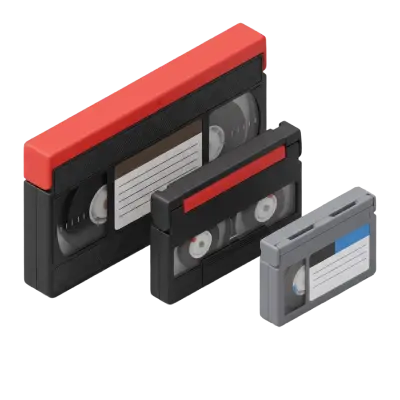
A VHS-C tape is a compact version of a standard VHS tape introduced in 1982 by JVC. It uses the same half-inch magnetic tape and offers similar video quality, but in a much smaller shell—about the size of a cassette. These tapes were designed for lightweight, handheld camcorders and could easily be played back on a VCR using a special adapter.
The Rise and History of VHS-C
VHS-C (short for "VHS-Compact") launched in 1982 as a response to the need for more portable video recording technology. JVC cleverly kept the tape the same size internally while shrinking the housing. Instead of requiring new playback devices, families could use a simple adapter to pop VHS-C tapes into any VHS VCR.
The question "What is VHS-C?" was common back then—and the answer was simple: a smarter, smaller way to capture memories without sacrificing video quality.
VHS-C Features and Format
- Recording time: 30 minutes (SP), up to 90 minutes (EP)
- Dimensions: Approx. 92 x 58 x 20 mm
- Tape type: Same half-inch magnetic tape as standard VHS
- Playback: Watchable in a VCR using a VHS-C adapter
While Standard Play (SP) mode offered the best video quality, Long Play (LP) and Extended Play (EP) modes allowed users to record more footage at slightly lower visual quality - a trade-off many found worthwhile for longer events.
VHS vs VHS-C vs S-VHS vs S-VHS-C
To better understand how VHS-C compares to other popular video formats of the time, here’s a quick breakdown.
| Format | Size | Recording Time | Key Feature |
|---|---|---|---|
| VHS | Full-size cassette | Up to 6 hours | Home video standard |
| VHS-C | Compact cassette | 30–90 minutes | Portable recording |
| S-VHS | Full-size cassette | Similar to VHS | Higher resolution video |
| S-VHS-C | Compact cassette | 30–90 minutes | High-resolution compact video |
Later on, an enhanced version called S-VHS-C (Super VHS-Compact) was introduced, offering better video quality. However, it remained less popular among everyday consumers due to higher costs and specialized equipment needs.
Popularity in the 1980s and 1990s
By the mid-1980s, VHS-C camcorders were household staples. Highlights of the VHS-C era included:
- Renting camcorders for weddings, birthdays, and vacations
- Buying blank tapes at video rental stores
- Families recording soccer games, graduations, and holiday mornings
VHS-C made it easy for everyone, not just tech enthusiasts, to document daily life.
Popular VHS-C Brands
During the height of VHS-C’s popularity, several major brands became household names for producing dependable tapes and camcorders. Families had plenty of trusted options to choose from, making it easy to capture and preserve their most important moments.
- JVC: The original inventor of the VHS-C format, known for pioneering camcorder technology.
- Panasonic: Praised for durable camcorders and reliable recording quality.
- RCA: Offered affordable, user-friendly camcorder options for everyday consumers.
- Maxell: A leading choice for blank VHS-C tapes, delivering consistent recording performance.
- TDK: Popular for producing high-quality, budget-friendly VHS-C tapes widely available in stores.
These brands helped make home video recording an everyday part of family life during the 1980s and 1990s.
Competition and Decline
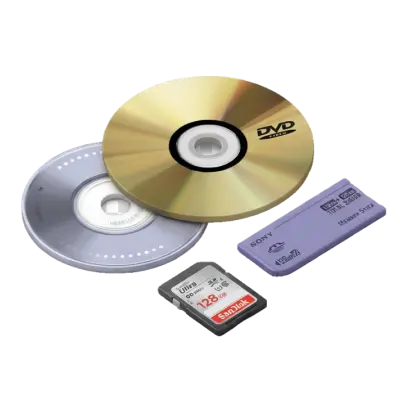
VHS-C faced strong competition from Sony’s 8mm tape format, which offered even smaller camcorders and eventually higher video quality. As DVDs, MiniDV tapes, and digital camcorders emerged, VHS-C technology gradually faded away by the early 2000s.
Today, VHS-C is discontinued—but the memories live on through the tapes left behind.
How Long Do VHS-C Tapes Last?
VHS-C tapes can last between 10 and 30 years depending on storage conditions. Common signs of aging include:
- Color fading
- Static and noise
- Sound dropouts
- Playback glitches or failure
For best preservation:
- Store tapes upright, like books on a shelf.
- Keep them in cool, dry conditions away from direct sunlight and magnetic fields.
- Avoid frequent rewinding or fast-forwarding of aging tapes.
Even with perfect care, magnetic tape naturally deteriorates. That’s why video conversion is the safest way to protect your VHS-C memories.
Convert Your VHS-C to Digital
Preserve your favorite home videos with Capture’s professional VHS-C to digital transfer service.
Digitize Your VHS-C TapesHow Can I Watch Old VHS-C Tapes?
If you still have a VHS-C tape, you can:
- Use a VHS-C adapter and play it in a regular VCR
- Connect your original camcorder directly to a TV (if still operational)
- Digitize your tapes for modern viewing on USB, DVD, or cloud platforms
Digitization ensures you can continue to enjoy your videos even as older technology becomes harder to find.
Legacy and Preservation
VHS-C tapes captured everyday life during a time when home video recording became truly accessible. Today, they represent an important bridge between analog recording and the digital age.
Collectors and enthusiasts often look for:
- Sealed blank VHS-C tapes
- Vintage camcorders from JVC, Panasonic, and RCA
- Working VHS-C adapters
Preserving VHS-C tapes means preserving a part of personal and cultural history that might otherwise fade away.
Bring Your VHS-C Memories Back to Life
VHS-C tapes captured the moments that mattered most—family vacations, birthday parties, and everyday smiles. Even though the technology has faded, the memories haven’t. Preserving the history of the VHS-C tapes means more than saving old footage; it’s about protecting your family's story for generations to come. Digitizing your VHS-C tapes ensures they’re not lost to time. Relive those special moments, share them easily, and keep the laughter and memories alive for years ahead. Don’t wait to protect your family’s story - digitize your VHS-C tapes today.
Bring your memories back to life.
You May Also Like
How AI Video Upscaling Works: De-interlacing, Noise Reduction, and Resolution Scaling Explained
AI video upscaling works in three stages: the original tape is captured using broadcast-grade equipment to extract the cleanest possible signal, encoded into a lossless ProRes master file, then processed frame-by-frame by neural networks that remove interlacing artifacts and increase the resolution to 1080p or 4K. Unlike a standard 1:1 transfer, the AI analyzes each frame individually — inferring missing detail from surrounding pixels and learned patterns — while preserving the original frame rate throughout.

Choosing the Perfect Film Video Camera: Top 10 Recommendations for Filmmakers
Film video cameras record motion by capturing a rapid sequence of still images on photographic film — typically at 24 frames per second for cinema and 16–18 fps for home formats like 8mm and Super 8. Unlike digital video, film requires chemical development before it can be viewed, and the footage degrades over time without proper cold, dry storage.

Five Super 8 Projectors That Stand the Test of Time
Super 8 projectors operate similarly to standard 8mm projectors but are not interchangeable — Super 8 film has a different sprocket hole size and frame dimension than regular 8mm. Kodak introduced Super 8 in 1965 alongside a cartridge-loading system that eliminated manual threading. Working Super 8 projectors are available used through eBay and estate sales, though lamp replacements are increasingly difficult to source.