Half Frame Camera- Ultimate Guide
A half frame camera exposes only half of a standard 35mm film frame per shot, allowing a 36-exposure roll to yield 72 images. This makes shooting more economical and creates a distinctive vertical portrait orientation. The Olympus Pen series from the 1960s popularized the format. Half frame cameras have seen renewed interest among film photographers attracted to their unique framing, lower cost per shot, and retro aesthetic.

Film photography keeps finding new fans, and one format that often sparks curiosity is the half frame Camera. This small but clever design helped generations of photographers stretch their film rolls further while still capturing meaningful moments. Today, it feels both nostalgic and practical. Whether you love experimenting with film or just want to understand how these cameras shaped photography, this guide covers everything you need to know, from history to modern use.
Jump To:
- What Is a Half-Frame Camera?
- How Half-Frame Cameras Work
- Why Half-Frame Cameras Were Popular
- Advantages of Half-Frame Cameras
- Disadvantages of Half-Frame Cameras
- Famous Half-Frame Cameras
- Half-Frame Cameras Today
- Is a Half-Frame Camera Right for You?
- What to Do With Old Half-Frame Film and Photos
- Half-Frame Cameras: A Small Format With a Big Story
- FAQ
What Is a Half-Frame Camera?
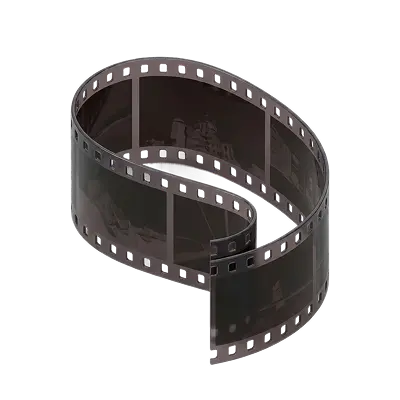
A half frame camera is a film camera that takes two photos on a single standard 35mm frame. Instead of one large image per frame, the camera splits it in half. Each exposure uses only half the space, which doubles the number of photos you get from one roll. A 36-exposure roll suddenly becomes 72 shots.

A half-frame camera uses standard 35mm film while capturing twice as many images per roll.
This format appealed to people who wanted to shoot more without buying extra film. It also encouraged storytelling. Many photographers used the paired frames to show sequences, before-and-after moments, or small visual narratives that felt connected.
How Half-Frame Cameras Work
Half-frame cameras still use standard 35mm film, but the film advances differently. The camera moves the film only half the usual distance after each shot. Because of that, each image is smaller and often vertically oriented.
Key mechanical details include:
- A modified film advance mechanism
- Smaller frame size compared to full-frame 35mm
- Lenses designed to stay sharp at reduced image dimensions
The process feels familiar if you have used a manual film camera. You still load film, set exposure, focus, and shoot. The difference appears only after development, when you see twice as many frames on the negatives.
Why Half-Frame Cameras Were Popular
Half-frame cameras became popular during times when film cost mattered. Travelers, students, and families appreciated getting more photos from each roll. It made photography more accessible and less stressful.
Another reason was portability. Many models were compact and light. They fit easily into a jacket pocket or small bag. For people who wanted an old fashioned camera experience without heavy gear, half-frame models felt perfect. They encouraged casual shooting and everyday documentation instead of carefully planned shots.
Advantages of Half-Frame Cameras
Half-frame cameras offer several clear benefits that still make sense today:
- More photos per roll, which lowers long-term film costs
- Compact camera bodies, easy to carry anywhere
- Creative storytelling, since paired frames work well together
Because film lasts longer, photographers often feel freer to experiment. You can try angles, motion, or candid moments without worrying about wasting film. That freedom is part of why the half-frame camera still feels fun and approachable.

Half-frame cameras remain relevant for photographers who value efficiency and storytelling.
Disadvantages of Half-Frame Cameras
Despite their charm, half-frame cameras also come with trade-offs:
- Smaller image size, which can reduce detail
- Grain becomes more visible, especially with higher ISO film
- Less flexibility for large prints, compared to full-frame shots
Scanning and printing also require attention. Labs must handle the smaller frames correctly, especially when working with negative film, to avoid losing sharpness or cropping important details. These limitations matter more if you plan to print large or crop heavily.
Famous Half-Frame Cameras
Several models helped define the half-frame era. The Olympus Pen series stands out as the most iconic. These cameras combined solid build quality with excellent lenses. Other manufacturers followed with their own designs, offering both fully manual and semi-automatic options.
Collectors still seek these cameras today. Many remain functional decades later, which says a lot about their engineering. They are often affordable entry points for film photography beginners.
Half-Frame Cameras Today
Today, half-frame cameras live mostly in the hands of hobbyists, collectors, and creative photographers. Some people enjoy the slower process and mechanical feel. Others like the visual rhythm of paired images.
Film labs and scanning services now understand these formats better than ever. Digital workflows make it easier to preserve and share results. When combined with modern editing tools, half-frame photography blends analog character with digital convenience.
Is a Half-Frame Camera Right for You?
A half-frame camera may be a great fit if:
- You enjoy shooting casually and often
- You like experimenting without worrying about film limits
- You prefer compact, lightweight gear
- You want a unique look that feels different from standard 35mm
If image size and maximum detail matter most to you, another format may suit you better. But if the process and experience matter more, half-frame can be very rewarding.
What to Do With Old Half-Frame Film and Photos
Many people still have drawers full of half-frame negatives and prints. These images often hold family history and personal stories. Preserving them matters, especially as film ages.
Digitization companies like Capture help turn old film into digital files you can store, share, and protect. Professional handling ensures that small frames stay clear and properly aligned during scanning.
Using a dedicated photo scanning service makes organization easier. Once digitized, you can label, back up, and even restore older images without touching the fragile originals.

Many families still preserve half-frame negatives and prints filled with personal memories.
Half Frame Cameras: A Small Format With a Big Story
The half frame Camera remains a fascinating part of photography history. It offered efficiency, creativity, and accessibility long before digital cameras existed. Today, it still attracts photographers who value process, storytelling, and character over perfection. If you enjoy film and want something a little different, a half frame camera might be exactly what you are looking for.
FAQ
What does it mean if a camera is half frame?
A half-frame camera uses half of a standard 35mm film frame for each photo. This allows two images to fit where one full-frame photo normally would. As a result, you get twice as many photos from a single roll, with each image appearing smaller than a regular 35mm frame.
Is 35mm a half frame camera?
No. Standard 35mm cameras use the full film frame for each photo. A half-frame camera still uses 35mm film, but it exposes only half of each frame per shot. The difference is in how the camera advances and exposes the film, not in the film type itself.
Can you use any film in a half frame camera?
Yes. Half-frame cameras use standard 35mm film, so you can use color negative, black and white, or slide film. Keep in mind that grain will be more noticeable because each image is smaller, especially with higher ISO films.
Who made half-frame cameras?
Several manufacturers produced half-frame cameras, but Olympus is the most well-known for popularizing the format with its Pen series. Other brands also released half-frame models, though Olympus remains the name most associated with this design.
Is half frame good for beginners?
Yes, half frame can be a good option for beginners. The ability to take more photos per roll makes learning less stressful and more affordable. Many half-frame cameras are also simple to use, which helps new photographers focus on composition and timing rather than settings.
Bring your memories back to life.
You May Also Like
What Resolution Should You Scan Old Photos At?
Scan standard prints at 300–600 DPI, and scan slides or negatives at 2000–4000 DPI — negatives and slides need far more resolution because the original image is physically much smaller than a print. Choose the higher end of each range for archival copies or anything you might want to enlarge later.

Why Old Photos Turn Yellow (And How to Stop and Fix It)
Old photos turn yellow because the dyes and paper chemicals used to make them break down over decades — mainly through dye coupler instability, acid migration from old albums, and exposure to light, heat, and humidity. Photos from the 1970s and 80s are hit hardest because of less stable dye formulas and cheaper consumer paper. Most yellow casts can be corrected with color-corrected scanning; physical damage like tears or severe fading cannot.

TIFF vs. JPEG: What’s The Difference?
TIFF files are uncompressed and preserve full image detail, making them preferred for archiving and professional printing. JPEG uses lossy compression that permanently discards image data with each save. For digitized photos intended for long-term preservation, TIFF is the better archival choice while JPEG works well for sharing.