What Is Media Digitization? How to Preserve Old Photos, Videos, Film, and Family Memories
Digitizing older media converts physical formats like VHS tapes, film reels, slides, and photos into digital files that can be stored and shared indefinitely. Professional services handle the full range in a single order, while DIY conversion requires separate hardware for each format.

If you have boxes of old photographs, videotapes, film reels, or slides tucked away in closets, attics, or basements, you're not alone. Millions of families still have decades of memories stored on aging media formats that become harder to access every year.
Media digitization is the process of converting those physical memories into digital files that can be viewed, shared, organized, and preserved on today's devices. Whether you want to relive family vacations, watch childhood home movies, or protect irreplaceable photographs, digitization makes it possible to keep those memories accessible for generations.
The process of converting physical memories into digital files has evolved dramatically over the past several decades. The history of digitization reflects the broader transition from analog technologies to digital systems that now power how we preserve, store, and share information.
In this guide, we'll explain what media digitization is, how it works, what types of media can be digitized, and why preserving your memories sooner rather than later is often the best decision.
What Is Media Digitization?
Media digitization is the process of converting analog or physical media into digital files.
Instead of relying on outdated formats that require specialized equipment, digitized files can be viewed on computers, smartphones, tablets, smart TVs, and cloud storage platforms. Once converted, your memories become easier to organize, share, back up, and enjoy.
Examples of digitized media include:
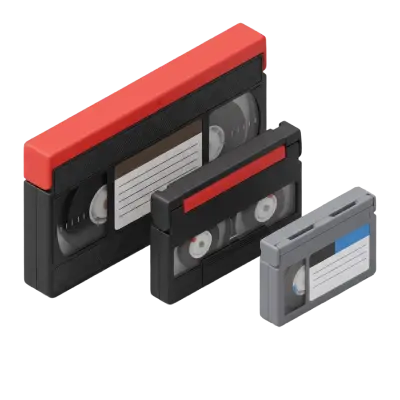
VHS tapes converted to digital video files
Film reels converted into modern video formats
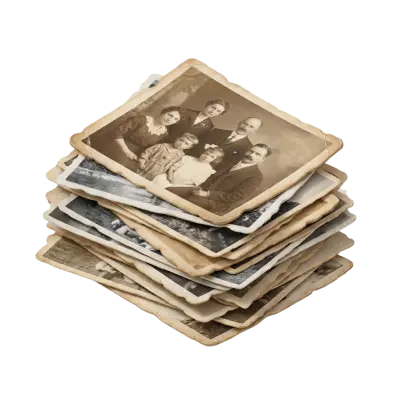
Printed photographs scanned into digital images
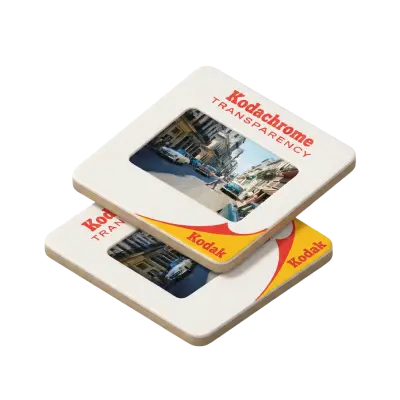
Slides converted into high-resolution files
Negatives preserved digitally for future restoration
Unlike physical media, digital files can be copied and stored in multiple locations without causing additional wear or degradation.
How Does the Digitization Process Work?
While the exact process varies depending on the media type, digitization generally follows the same basic workflow. Physical media is first inspected and prepared for transfer. Specialized equipment then captures the content and converts it into digital files.
For videotapes, this involves playing the tape through professional conversion equipment. For photographs, slides, and negatives, high-resolution scanners create digital images. Film reels are transferred frame by frame using equipment designed specifically for film preservation.
Once the transfer is complete, the files can be organized, stored, shared, and backed up across multiple devices and cloud platforms.
What Types of Media Can Be Digitized?
Many people are surprised by how many formats can be converted.
Videotapes
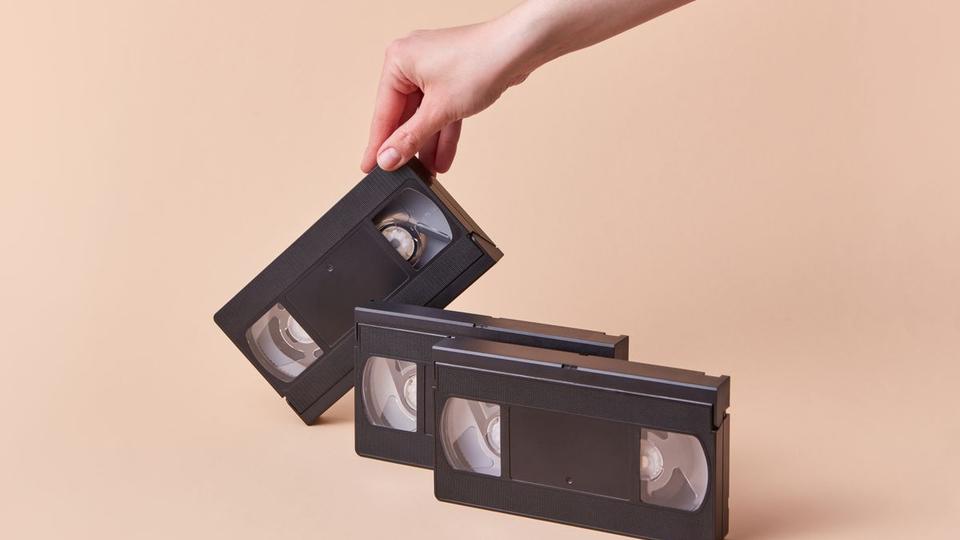
Videotapes are among the most common media formats families choose to preserve. Unfortunately, magnetic tape deteriorates over time, and finding working playback equipment becomes more difficult every year.
Common videotape formats include:
VHS
VHS-C
S-VHS
Hi8
Video8
Digital8
MiniDV
Families looking to preserve aging videotapes often choose a professional service to transfer VHS tapes to digital before the tapes become damaged or unplayable. As more families look for ways to preserve aging videotapes, many start researching where to convert VHS to digital and whether a DIY approach or professional service is the better long-term solution.
Film Reels
Film often contains some of the oldest family memories, including weddings, holidays, and childhood milestones.
Common film formats include:
8mm film
Super 8 film
16mm film
Unlike videotapes, film requires specialized equipment and handling. A professional film transfer service can help preserve fragile reels while maintaining image quality and reducing the risk of damage during playback.
Printed Photographs
Printed photographs are vulnerable to fading, moisture, tears, and accidental loss.
Digitizing photographs allows families to:
Create backup copies
Organize collections
Share memories online
Restore damaged images
Preserve family history
Many families begin by using professional photo scanning services to protect their most important images. In many cases, digitization starts when people realize they are no longer sure what to do with old photo albums that have spent years sitting in closets, attics, or storage boxes.
Slides and Negatives
Slides and negatives often contain images that no longer exist in printed form.
If you have boxes of slides tucked away for decades, a professional service can help digitize old slides and make them accessible again.
Many families also choose to preserve photo negatives because they often contain the highest-quality version of an image and can be used to create new prints or enhanced digital copies.
Why Is Digitizing Old Media Important?
Physical media does not last forever.
Even when stored carefully, photographs, videotapes, film reels, slides, and negatives slowly deteriorate over time.
Tapes Lose Quality
Magnetic videotapes naturally degrade as they age.
Common issues include:
Color fading
Audio distortion
Tracking problems
Signal loss
Mold contamination
Once deterioration becomes severe, portions of a recording may become impossible to recover.
Photos Can Fade and Become Damaged
Photographs are susceptible to:
Sunlight exposure
Humidity
Water damage
Mold growth
Physical wear
Digitizing photos before significant deterioration occurs provides an additional layer of protection.
Equipment Is Disappearing
Even if your media is still in good condition, finding equipment to play it can be challenging.
VCRs, camcorders, slide projectors, and film projectors are no longer common household items. As replacement parts become harder to find, digitization becomes one of the most reliable ways to ensure continued access to your memories.
For larger collections, choosing the best company to digitize home movies often comes down to factors such as quality, turnaround time, security, and supported media formats.
DIY Digitization vs Professional Digitization
One of the most common questions people ask is whether they should digitize media themselves or use a professional service.
DIY Digitization
DIY conversion can work well for smaller projects if you already have the required equipment.
Advantages include:
Lower upfront costs
Complete control over the process
Immediate access to your media
However, there are also challenges:
Specialized equipment can be expensive
Setup can be complicated
Conversion occurs in real time
Quality depends heavily on the hardware being used
For example, converting a two-hour VHS tape typically requires two hours of playback time.
Professional Digitization
Professional services use specialized equipment designed specifically for media preservation.
Advantages include:
Consistent quality
Secure handling
Support for multiple formats
Less time investment
Professional monitoring and processing
For larger collections, professional digitization is often the faster and more reliable option.
How Are Digitized Files Delivered?
Modern digitization services offer multiple delivery options.
Common choices include:
USB flash drives
DVDs
Digital downloads
Cloud storage
Google Photos integration
Many families prefer digital delivery because it allows them to access and share memories from anywhere while maintaining backup copies.
Can Old Videos Be Enhanced After Digitization?
Digitization preserves your original memories, but modern technology can often improve how those memories look as well.
Many older videotapes and film reels were recorded in standard definition, which can appear soft or blurry on today's large screens. After digitization, advanced restoration technologies can help improve clarity, reduce visible imperfections, and enhance overall viewing quality.
Capture is expanding its video enhancement capabilities with HD and 4K upscaling technologies designed to help families enjoy older home movies on modern televisions, computers, and mobile devices. While upscaling cannot recreate information that was never recorded, it can often produce a cleaner, sharper viewing experience than the original analog source.
As restoration technology continues to evolve, digitizing your media today creates the foundation for future improvements that may become available.
Many families first digitize their media and then use AI-powered photo and video enhancement tools to improve organization, restoration, and accessibility.
How Long Does Digitization Take?
The timeline depends on several factors, including:
Number of items
Media format
Media condition
Cleaning requirements
Delivery method
Larger collections naturally require more processing time than smaller orders.
Professional digitization services often allow multiple media types to be included in a single order, making it easier to preserve photos, tapes, film reels, slides, and negatives together.
What Happens After Your Memories Are Digitized?
Digitization is only the first step.
Once your files are converted, you can:
Create multiple backups
Share memories with relatives
Organize digital albums
Build family history archives
Create personalized gifts
Preserve content for future generations
Many customers rediscover moments they haven't seen in decades simply because digitization makes those memories accessible again.
Frequently Asked Questions
What is media digitization?
Media digitization is the process of converting physical formats such as videotapes, film reels, photos, slides, and negatives into digital files that can be viewed on modern devices.
Is digitizing old media worth it?
For most families, yes. Digitization helps preserve irreplaceable memories while making them easier to access, share, and back up.
What media can be digitized?
Common formats include VHS tapes, camcorder tapes, film reels, photographs, slides, and negatives.
Can I digitize old media myself?
Yes, but DIY digitization often requires specialized equipment and significant time, especially for larger collections.
How should I store digitized memories?
The best approach is to maintain multiple backups using a combination of cloud storage, external drives, and local devices.
Preserve Your Memories Before They're Lost
Every year that passes increases the risk of deterioration, damage, and equipment obsolescence.
Digitizing your photos, videotapes, film reels, slides, and negatives creates a lasting digital archive that can be viewed, shared, and protected for years to come.
Although the terms are often used interchangeably, digitization vs digitalization refers to two different concepts, with digitization focusing on converting analog information into digital formats.
Whether you're preserving a handful of family photographs or an entire collection of home movies, digitization ensures your memories remain accessible long after the original media has reached the end of its lifespan.
Bring your memories back to life.
You May Also Like

Does Walgreens Transfer VHS Tapes and Photos to Digital? What to Know Before You Decide
Yes, Walgreens transfers VHS tapes, film, photos, negatives, and slides to digital — but the work is outsourced to iMemories, not done in-store. Video converts to DVD, Blu-ray, or cloud; photos convert to USB only. Turnaround typically runs 3–5 weeks.
Forever Studios Reviews 2026: Is It Worth It? Quality, Pricing & Comparison
Yes, Forever Studios is a legitimate digitizing service. Based in Boca Raton, Florida, it specializes in transferring VHS tapes, camcorder tapes, film reels, photos, slides, negatives, and audio cassettes to digital formats. Most Forever Studios reviews praise the company's restoration quality and careful handling of sentimental media. The most common criticisms focus on quote-based pricing, longer-than-expected turnaround for some orders, and uncertainty over whether the Forever Gold upgrade delivers enough additional value. If preserving aging videotapes is your priority, Capture's VHS to Digital service includes published pricing, AI-enhanced restoration, and predictable turnaround times, making it easier to compare before placing an order.